Paint correction sits at the heart of serious auto detailing. It is the difference between a car that looks clean and a car that turns heads under harsh sun or under the bright inspection lights at the shop. If you are a DIY enthusiast willing to go beyond a quick wash and wax, the right compounds, pads, and polishers can help you remove swirls, oxidation, and light defects safely. Get them wrong, and you risk holograms, burned edges, or a finish that looks flat and tired. The tools and their combinations matter as much as your technique.
I learned that lesson early on, when I took a wool pad and a heavy compound to a black coupe without taping edges. The door handle bezel ended up with a faint ripple where the paint had already been thin. That car taught me to respect the paint and to let the system, not the ego, do the work. The goal is consistent, measurable improvement with as little material removal as possible.
Understanding what paint correction really does
At its simplest, paint correction levels the clear coat to the depth of the deepest scratch you intend to remove. Every pass with an abrasive compound and pad shaves microns off the surface. A daily-driven car might have 80 to 140 microns of total film build, with 30 to 60 of those belonging to the clear coat, depending on the manufacturer and previous refinishing. If you remove 2 to 5 microns during a moderate correction, that is fine. Remove 15 to 20 in a small area, and you are on borrowed time.
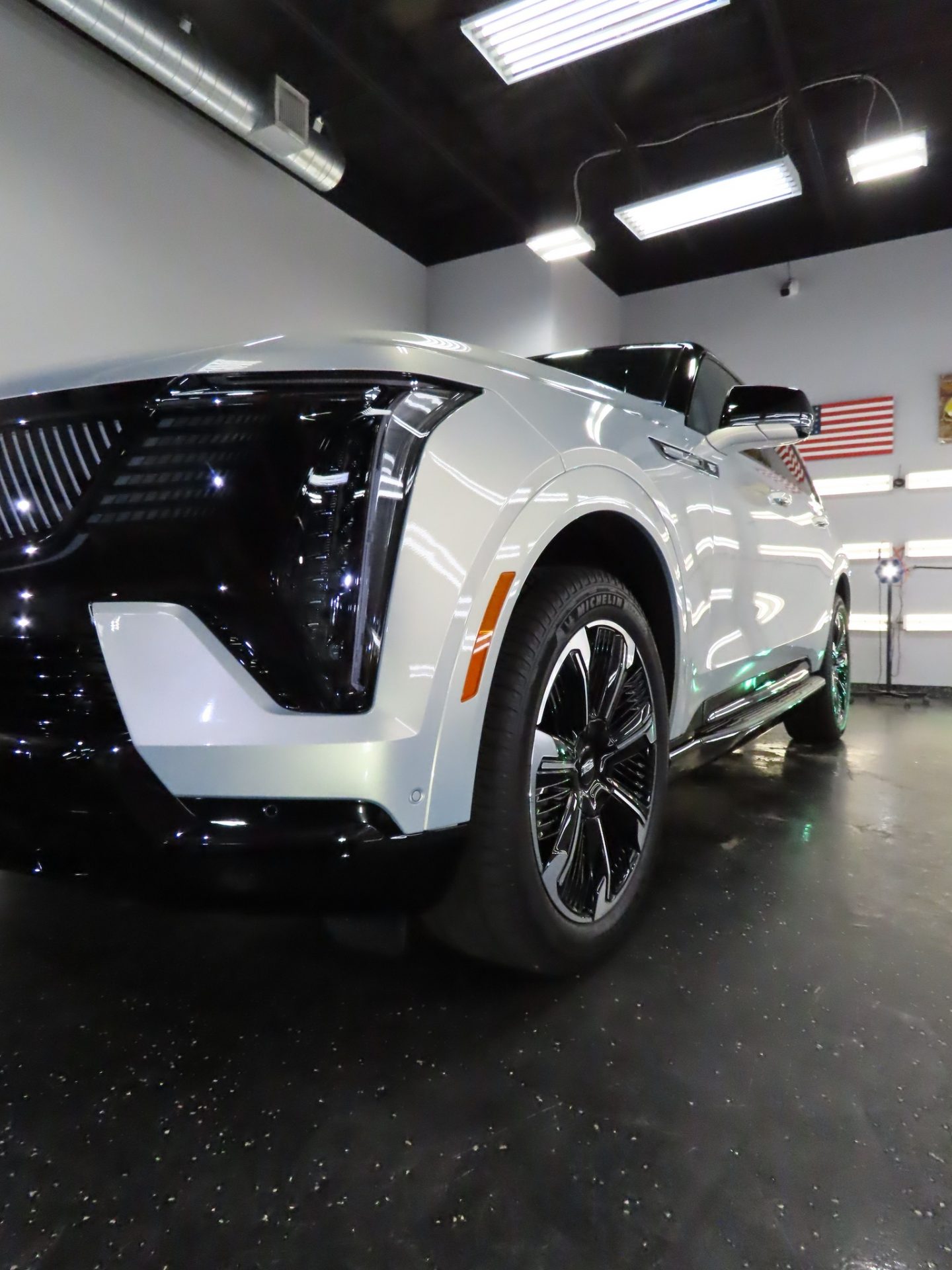
This is where combinations matter. A light diminishing abrasive on a soft foam pad might take a few passes to refine towel marring on a Lexus with softer clear. The same setup will barely tickle defects on a hard German clear coat. You have to match the abrasive cut, pad aggression, and machine movement to the paint type and defect depth.
The three pillars: compound, pad, machine
Picture a triangle. Each side represents one pillar of paint correction, and all three must balance.
- Compounds and polishes deliver the abrasive action, and their formulation dictates how they cut and finish. Pads moderate the compound, add mechanical bite, shed heat, and distribute pressure. Polishers translate your hands into consistent motion and speed.
Change one side, and you affect the other two. If you step up to a stiffer cutting pad, you might be able to drop the compound’s aggressiveness. If you switch from a rotary to a long-throw dual action, you can often achieve the same correction with a milder system and far less risk.
Compounds and polishes: what to look for
Modern compounds come in two broad families. Diminishing abrasives start sharp and break down into finer particles as you work them, which can reduce the number of steps if you time your passes correctly. Non-diminishing abrasives maintain a consistent cut, which is helpful when you need predictable defect removal but generally requires a follow-up polish to refine.
The solvent base and lubricants matter too. A formula with longer open time allows extended polishing cycles without dusting, which matters on large panels. Water-based systems are easier to wipe off and tend to leave fewer oils that mask defects. Oil-heavy products can look great right after a wipe, then reveal residual haze two washes later. If you are preparing for ceramic coating or paint protection film, lean toward low-oil, body shop safe products and always perform a thorough panel wipe before judging the finish.
For DIY work, it is smart to stock a small system that covers heavy, medium, and fine. A heavy-cut compound will handle oxidation, sanding marks up to 1500 to 2000 grit, and deep swirls. A medium polish bridges the gap and can finish on most paints. An ultra-fine polish every enthusiast underestimates until they try it, is essential on dark colors and soft clears to chase that last two to five percent of clarity.
A practical tip that saves frustration: never judge a compound by the label alone. Test it on a discreet area, wipe with a panel prep, and inspect under a handheld light. Some combinations look glossy in ambient light but reveal micro-marring under a proper inspection beam.
Pads: foam, microfiber, and wool, plus the details that matter
Pads change the game, sometimes more than the compound itself. Foam pads vary by density and cell structure. Open-cell foams breathe better and manage heat, while closed-cell foams can deliver a firmer interface. A blue or grey heavy-cut foam gives a controlled bite with less lint and sling than microfiber or wool, making it attractive for beginners. Orange or yellow foams often sit in the middle, fast enough to cut on softer clears but capable of finishing well. Black or red ultra-soft foams are for jeweling, the fine polishing stage that brings out gloss.
Microfiber pads cut fast and load fast. The fiber mat acts like thousands of tiny abrasives, but they need clean, controlled conditions. On a sun-baked hood in summer, they can clog with spent clear, dust the compound, and run hot. If you use microfiber, prime the pad thoroughly with a thin even coat of product, then add two or three pea-sized drops per set. Clean the pad with compressed air or a soft brush after every section. Microfiber shines on harder paints, where foam stalls.
Wool and hybrid wool pads sit between rotary traditions and modern DA work. On a dual action polisher, a thin wool or wool-microfiber blend can level surprisingly quickly while leaving a finish you can often refine in one step. Watch your edges and contours, and keep the pad flat. Wool breathes well, which helps manage heat, a factor many DIYers underestimate.
Pad size influences control and heat. Five-inch backing plates and pads are a sweet spot for most cars, balancing cut with maneuverability. Three-inch spot pads earn their keep on pillars, bumpers, and tight curves. For larger hoods and roofs, six-inch pads can speed up work, but only if your machine and technique maintain pad rotation. When a pad stalls, it just vibrates and warms the paint without leveling defects.
Polishers: DA versus rotary, and why throw matters
Rotary polishers remain the fastest cutters in skilled hands. They spin on a fixed axis, which translates to direct, aggressive cut. They also create heat quickly and can introduce holograms if not followed by a refining step on a dual action or with a finishing foam. Unless you are chasing sanding marks or heavy oxidation often, the rotary is a specialized tool best left to experienced users.
Dual action polishers, also called random orbitals, combine rotation with oscillation. They are safer, more forgiving, and, with modern long-throw designs, astonishingly effective. Throw refers to the orbital path diameter. Common long-throws are 12, 15, and 21 millimeters. A longer throw increases the working footprint and speeds correction, but it can feel less precise on tight body lines. For most DIY garages, a 15-millimeter machine with a 5-inch backing plate strikes the right balance. Pair it with a compact 3-inch DA for spot correction and you can tackle nearly any panel on a sedan or SUV.
Ergonomics matter more than spec sheets suggest. A well-balanced machine reduces fatigue and helps you maintain consistent pressure and pad angle. Variable speed triggers are helpful for ramping into a pass and reducing sling at the start.
Surface prep, inspection, and when to stop
No compound or pad can fix contamination. A thorough wash, chemical decon with iron remover, and mechanical decon with a clay bar or synthetic clay mitt will give the abrasives a clean shot at the defects rather than dragging bonded grit through the clear. Use two buckets or a high-quality rinse method to minimize new marring. Dry with a plush towel and compressed air or a blower to clear water from mirrors, emblems, and seams.

Before you cut, measure and inspect. If you have access to a paint thickness gauge, use it. Map the car in zones and note thin readings, especially on repainted panels or high-wear areas like door edges and hood lips. Even if you do not own a gauge, train your eyes and lights. Use cross-polarized lights, diffuse light, and tight-beam inspection lights to reveal different types of defects. Look at the paint from multiple angles. If you see a scratch catch your fingernail, assume it will not disappear completely and choose to reduce, not remove, in that spot.
Know when to stop. A window tint finish does not have to be perfect to look spectacular. Chasing the last deep RIDS, the random isolated deep scratches, can add risk for very little return. Blend them, soften the edges, and preserve clear coat for the next correction down the road.
A working system that fits a home garage
At Advanced Detailing Sofla, we test combinations on a rotating basis to align with the climate and the kind of cars that show up. The core principles translate well to a home garage. Build a compact system you know inside out. Two compounds, three pads, and one or two polishers can carry you far without turning your shelf into a laboratory.
For example, your heavy cut could be a low-dusting, body-shop-safe compound that pairs well with both foam and microfiber. Your medium polish should have enough bite to remove haze from the heavy stage and still finish down on most paints using a polishing foam. For finishing, choose an ultra-fine polish with a long working time to jewel dark colors. In humid environments, formulations that resist moisture-induced clumping make life easier. In dry climates, products with longer lubricants keep the pad from skipping.
Anecdotally, a daily-driven white SUV that came through the shop had stubborn brake dust fallout etched into the tailgate. A medium polish on a yellow foam pad did little. Moving to a thin wool pad on a long-throw DA with the same compound released the etching quickly, and a follow-up with a fine polish on a soft foam returned clarity. The lesson is not the brands involved, but how pad construction can unlock a compound’s potential.
Step-by-step, without overcomplication
Here is a streamlined sequence many DIYers follow successfully:
- Wash, decontaminate, and dry the vehicle thoroughly. Tape trims, rubber edges, and textured plastics. Test a small, discreet section using the least aggressive setup. Evaluate under a proper inspection light after a panel wipe. If needed, step up either the pad or the compound, not both at once. Refine your technique before escalating further. Work in overlapping passes, slow arm speed, and moderate pressure. Keep the pad flat. Clean pads often, and replace when saturated or collapsing. Reassess after each section. Once satisfied, move panel by panel, then perform a uniform finishing polish to equalize the look.
That second step saves hours. Many panels surprise you. Soft repainted bumpers can haze with a medium cut. Factory hoods on some trucks feel like granite and welcome a microfiber cutting pad. Test before committing.
Heat management and pad maintenance
Heat is the quiet saboteur. It accelerates solvent flash, dries the compound, and can cause clear coat swelling that hides defects until the panel cools. Keep the machine moving at a slow, deliberate pace. If you cannot hold your hand on the panel comfortably, let it cool. Lower your speed on edges and raised body lines. Inspect pads often. If a foam pad feels mushy or the face is clogged with spent product, clean it with compressed air or swap pads. Microfiber and wool respond well to blowing out between sections. A dedicated pad brush works, but be gentle to avoid tearing fibers.
Clean pads at the end of the session with a mild APC and warm water. Rinse until water runs clear, squeeze without twisting, then air dry on a rack. Store them in breathable bags or containers to keep dust off the faces. Label pad condition if needed. Nothing derails a correction faster than starting the next session with a contaminated pad.
The finish line: refining, protection, and realistic expectations
After the cutting pass, judge the finish honestly. If you see micro-marring, hazing, or faint dual action trail, step down to a softer pad and a fine polish. Slow your machine speed, lighten pressure, and extend your working cycle. On black and very dark colors, a final jeweling pass with an ultra-soft foam can add noticeably more gloss, especially under shop lights. On solid white, the gain is more about cleanliness and uniformity than dramatic pop, but it still shows in reflections and panel-to-panel continuity.
Once you are happy with the clarity, remove polishing oils with an appropriate panel wipe. Then choose a protection path that matches your maintenance habits. A ceramic coating locks in the look and adds sacrificial hardness and chemical resistance. If you plan to install paint protection film on high-impact areas, correct those panels first, wipe them down thoroughly, then apply PPF. On a budget or for seasonal drivers, a high-quality sealant or wax still has its place. The key is to set expectations. No coating or PPF will fix a poor correction. They preserve what you created.
Integrating paint correction with window tinting, PPF, and ceramic coating
In a well-sequenced auto detailing workflow, paint correction comes before ceramic coating and before paint protection film on panels to be wrapped. At Advanced Detailing Sofla, timing and cleanliness are everything. Correct the paint, panel wipe, then, if the plan includes PPF on the front clip, install film first and finish by coating both the exposed paint and the film with a compatible ceramic. This prevents coating from interfering with PPF adhesion and ensures uniform gloss and hydrophobic behavior.
Window tinting lives adjacent to paint work, not on it, but the same attention to prep and dust control applies. When we schedule tint and correction together for a single-visit appointment, tint goes first in a separate bay to avoid compound dust on fresh film, then the vehicle moves into the correction bay after the film has tacked sufficiently. In a home garage, try to separate these tasks by a day and keep polishing dust away from glass edges to avoid contamination under the tint.
Real-world scenarios, and how tool choices changed the outcome
A metallic black sedan arrived with dealership-installed swirls, a familiar sight. Under a scan light, the car showed uniform rotary holograms. A novice might reach for a heavy compound, but that would only chase trails with more trails. A long-throw DA with a medium foam pad and a balanced polish erased the holograms in two slow passes, followed by a fine polish to add depth. The machine selection mattered more than the compound. The oscillation broke up the linear trails, and the pad’s flexibility hugged the curved panels without overheating the edges.
Another case involved a white pickup with heavy iron fallout and light oxidation on the hood and roof. Decon removed the orange specks, but the paint remained chalky. A microfiber cutting pad with a low-dusting compound restored gloss quickly, though it left a faint haze visible only under a tight beam. Switching to a polishing foam with the same compound on a lower speed eliminated the haze, reducing the number of liquids needed. In hot weather, fewer product switches mean fewer chances for residue to flash unevenly.
Advanced Detailing Sofla on tool selection for varied paint systems
Every manufacturer’s paint behaves differently. Some Japanese clears are soft and mark easily with aggressive microfiber. German and American trucks often have clears that can take a faster approach. At Advanced Detailing Sofla, we keep a matrix in mind, not on the wall. Soft clear, start with a polishing foam and a medium polish. If the defects persist, step up to a cutting foam rather than jumping to microfiber. Hard clear, do not be afraid to test microfiber early, but be ready with a finishing foam to chase residual haze.

We also weigh the owner’s goals. A weekend car that sees hand washes only can tolerate a slightly softer finish for the sake of clear coat preservation. A ride that hits the automatic wash monthly benefits from a slightly more aggressive correction and a durable ceramic coating to reduce wash-induced marring. The point is balance, not maximum cut on every panel.
Avoiding common DIY mistakes
Three patterns recur in garages everywhere. The first is overworking product. Many modern compounds do not need long passes to break down. Work them until the residue goes from opaque to a light film, then wipe and inspect. If you push beyond the product’s intended cycle, you are just glazing and drying the panel.
The second is dirty pads. If the correction stalls or the finish turns hazy unexpectedly, look at the pad face. Spent clear and compound clog the structure, reducing cut and increasing heat. Clean or replace pads before you change liquids or machines.
The third is skipping the panel wipe before judging results. Oils can fill micro-marring and create a temporary gloss that disappears after the first wash, a nasty surprise if you are installing ceramic coating. Use a dedicated panel prep, not simple alcohol, which can flash too fast, smear oils, and dry out plastics.
A short, focused comparison of tool tiers
Not everyone needs a top-shelf setup. Here is a concise view that helps match tools to your intent.
- Entry: A 15 mm DA with a 5-inch plate, a cutting foam, a polishing foam, and a finishing foam, plus a two-liquid system. Ideal for light to moderate paint correction and learning proper technique. Intermediate: Add microfiber or thin wool cutting pads, a dedicated finishing polish, and a 3-inch mini DA. This expands versatility on tight areas and hard clears. Advanced: Include a rotary for isolated heavy defects or sanding mark removal, multiple pad densities per size, and a paint thickness gauge. Use this when you have consistent projects and the patience to map film build.
The step from entry to intermediate often delivers the highest return. The mini machine changes how you treat bumpers and pillars, and the addition of microfiber or wool pads unlocks a level of cut you cannot reach with foam alone.
Where protection products fit after correction
A fresh correction is the best foundation for long-term protection. If you opt for ceramic coating, choose a system designed to work on both paint and PPF if you plan to install film. Some coatings bond aggressively and can create removal challenges under future film edges. For paint protection film, a light polish on the intended panels, a meticulous wipe with a film-safe cleaner, and dust control make or break the install. Film hides micro-marring better than it hides deep RIDS. Do not expect PPF to be a miracle cover; it is a shield for impact and abrasion, not a cosmetic eraser.
If you prefer a premium sealant, apply it after a panel wipe and allow proper cure time before exposing the car to rain or washing. On vehicles that will also receive window tinting, try to schedule tint before the final exterior wipe to avoid accidental contamination of freshly coated glass.
Advanced Detailing Sofla techniques you can adapt at home
Two habits from the shop carry over beautifully to a home garage. First, map your panels. Use painter’s tape to divide hoods and doors into manageable sections. It disciplines your passes and helps you track consistency. Second, standardize your passes. For cutting, two slow horizontal passes followed by two slow vertical passes with slight overlap, moderate pressure, then a final lighter pass often yields a uniform finish. On the finishing stage, lighten pressure and reduce machine speed. These small rituals produce repeatable results.
When humidity is high, a light spritz of distilled water on the pad face can extend working time, but use restraint. Too much moisture dilutes the abrasive and creates smear. If the temperature spikes, shorten your sections. It is easier to manage residue and heat on a quarter of a hood than the whole panel.
How paint correction integrates with broader car detailing
Paint correction is not a standalone trick. It sits inside a larger auto detailing mindset that includes wash technique, safe drying, wheel care, interior hygiene, and protection choices. If your wash process introduces marring every week, the best correction will not last. Upgrade to quality mitts, lubricious shampoos, and contact-minimizing tools. If you invest in ceramic coating after correction, adjust maintenance to pH-neutral soaps and soft towels. If you add paint protection film, learn how to decontaminate film gently without aggressive clay. All of these disciplines stack, and each one protects the time you put into the correction.
Consider how you park and store the vehicle too. A car that lives under trees needs more frequent decon for sap and fallout. A commuter that sees long highway runs benefits from a coated or filmed front end. A garage-kept weekend car can hold a jewel-like finish for years with proper washing and the occasional ultra-fine polish to refresh the gloss without heavy-cut work.
Final thoughts from the bay
The best tools for DIY paint correction are the ones you understand well enough to use gently. Trust the system. Start mild, test carefully, and only escalate when the paint tells you to. Build a small, reliable kit and learn how each pad and compound behaves on different clears. Respect heat, keep pads clean, and look at your work under honest light, not just the garage fluorescents.
If you do this, you will not just remove swirls. You will learn to read paint and make better decisions across the board, from whether a panel is safe to chase to how to sequence paint correction with PPF, ceramic coating, and even window tinting on a busy weekend. That judgment is what separates a lucky pass with a shiny result from a repeatable, professional outcome.
At Advanced Detailing Sofla, that judgment is what we train for and rely on daily. The same principles scale to a single-car garage. Respect the clear, choose your abrasive and pad with intent, and let the machine work within its strengths. The gloss you earn will survive the wash bucket and the midday sun, and it will hold up the next time you roll the car under a bright inspection light and really look.